
Moon Water
prose by Bella Melardi
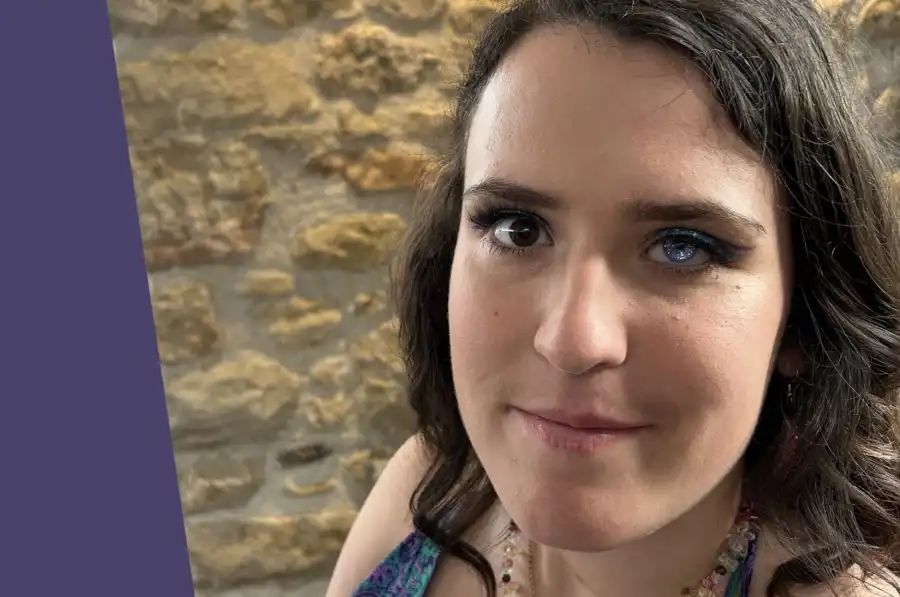
When I was little, I used to stare at the moon from my bedroom window and wonder if it ever resented the Earth’s admiration of the sun. Did it envy that brightness? Did it ever feel like a substitute, glowing only because of borrowed light? My father used to visit every other weekend. Routinely asking about school like he was clocking in for a shift. Covering my mom’s shift. I think he felt like the moon. That when the sun set, we were left with disappointment.
But my father had a power over me that my mother never could. His greatest influence was his absence. When he left, the space he left behind grew large enough to raise me. I became an ocean without a moon—wild, rising, uncontrollable. I learned to rise and crash without warning. His absence pulled at my tides, leaving a lump in my throat that only grew. Later, doctors called it a thyroid nodule. I just thought of it as the physical proof that I was always on the brink of tears. I called it the body’s way of storing an unanswered question.
Water rose in the back of my retina, causing it to swell. A slow flooding that blurred the edges of everything. When I lost an eye, I lost the ability to see the grey in reality. Depth and nuance became a rumour. My black and white thinking, an act of survival.
I feel guilty about the way men have power over me. It led me to fear masculinity. Especially in myself. I performed femininity. A fluoride forced across my teeth. A purifier. But I couldn’t stick to the routine. Tight shirts. Short skirts. Makeup. Full face. Eventually, my entrails had to exhale. I had to think about what the world meant to me. And not what service I could provide to it. This is what resilience. This is what resistance looks like.
Bella Melardi (she) is a poet and author. She writes about the political and personal. She attends OCADU.



Comments